 Twilight Tech LabsPrivate systems · working products
03 · Further / Twilight Technology
Twilight Tech Labs.Where Twilight Technology goes Further.
The Further arm of Twilight Technology: nine working rooms spanning private AI, security, learning, media, and human-centered products. Explore what was built, how it works, and what the evidence actually supports.
09 Major rooms03 End-to-end product builds01 Shared operator core
// Operating rule 01
The Tarmac Line“We never move quick, always lay the BEST tarmac — it helps to navigate on well-constructed paths. THAT'S when speed comes in.”
James Destrades Jr.
Founder · Twilight Tech Labs
Choose your route
What brought you into the lab?
The same work reads differently when you are hiring the builder, evaluating the architecture, or looking for something your organization can use.
Your route through the labWalk the lab, then follow the system that catches you.The project DNA map reveals what all nine rooms share; each project room then opens into its story, engineering logic, receipts, and current edge.
// The lab runwayOrient → Bound → Build → ProveThe Tarmac line translated into a repeatable system path.
01 / StartHuman settingFind the real moment, pressure, or life being designed for.
02 / BoundSystem boundaryName what it may know, remember, change, and refuse.
03 / BuildWorking systemConnect the subsystems until the experience survives reality.
04 / ProveEvidence trailKeep the tests, commits, failures, repairs, and current edge visible.
Interactive system map // filter live
Different rooms. Same operator.
Filter by a shared capability to see where the same engineering instincts reappear. Click any project to enter its full room.
09rooms
08design lenses
01operator
Active capability // system readout
All systems: the portfolio is broad, but the build grammar is consistent—state is explicit, authority is bounded, humans own consequence, and proof survives the demo.
09rooms connected
Twilight Tech Labs / Enterprise files
Enter theWatchtower
A fictional world for a real engineering lab. Follow identity, service-desk, and access-control work from the illustrated covers into the actual decisions, checks, and unfinished edges.
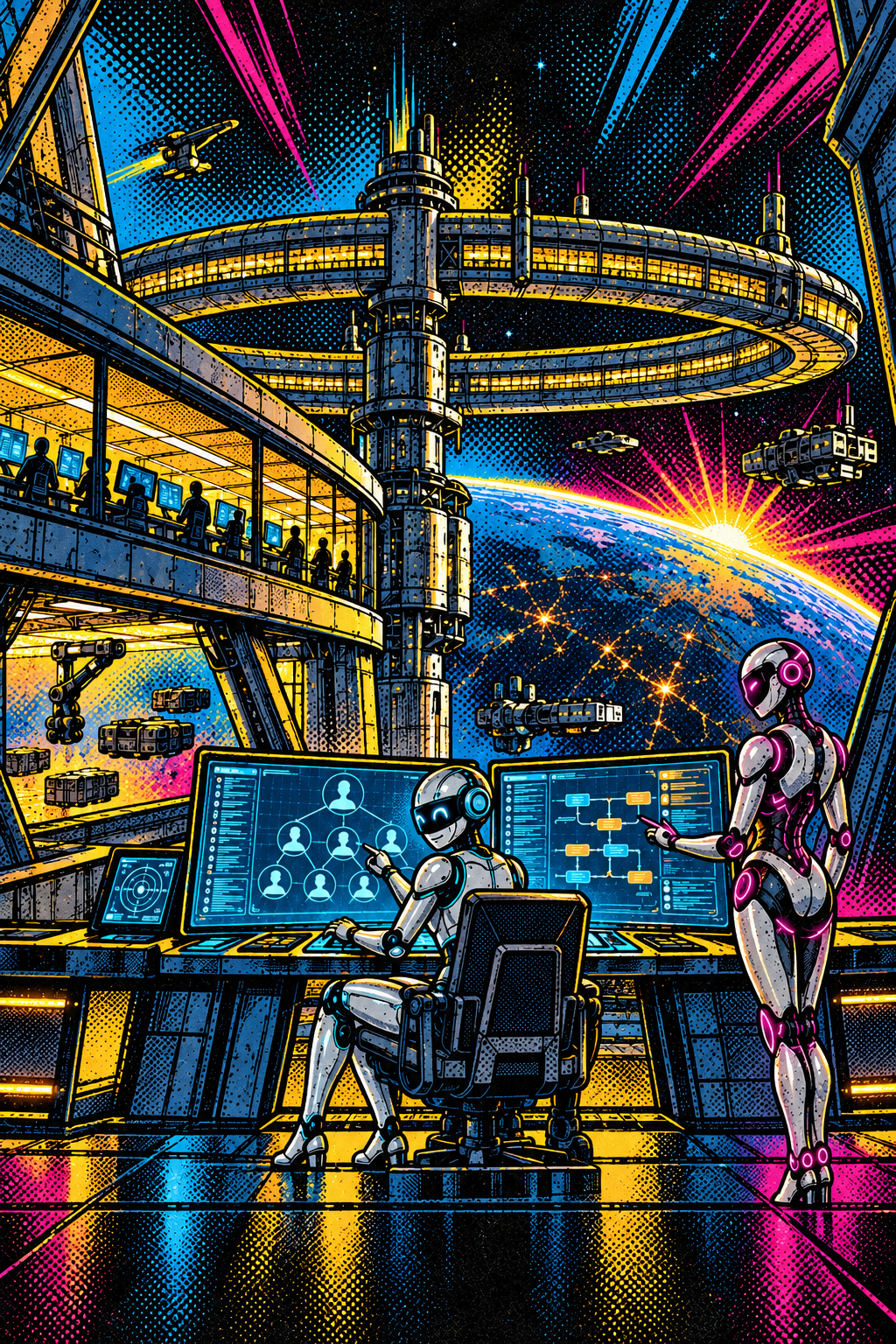 Twilight Tech Labs / Watchtower01
Enterprise systemsWatchtower Online
Issue 01 / Watchtower OnlineOne synthetic ticket, from request to closure.
Twilight Tech Labs / Watchtower01
Enterprise systemsWatchtower Online
Issue 01 / Watchtower OnlineOne synthetic ticket, from request to closure.
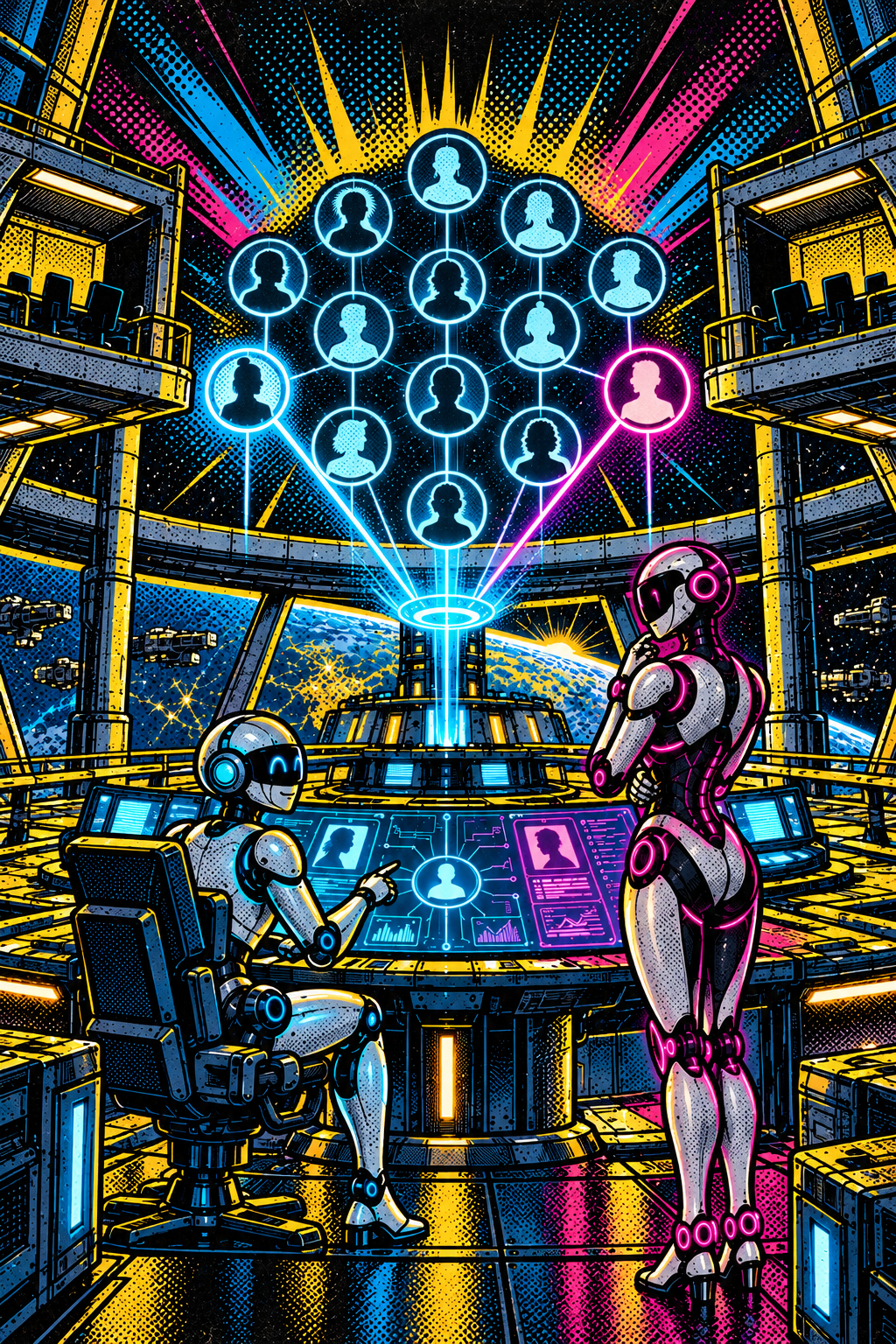 Twilight Tech Labs / Watchtower02
Identity / service deskJL:U
Issue 02 / JL:UFifteen identities. Two technician roles. A team for the desk.
Twilight Tech Labs / Watchtower02
Identity / service deskJL:U
Issue 02 / JL:UFifteen identities. Two technician roles. A team for the desk.
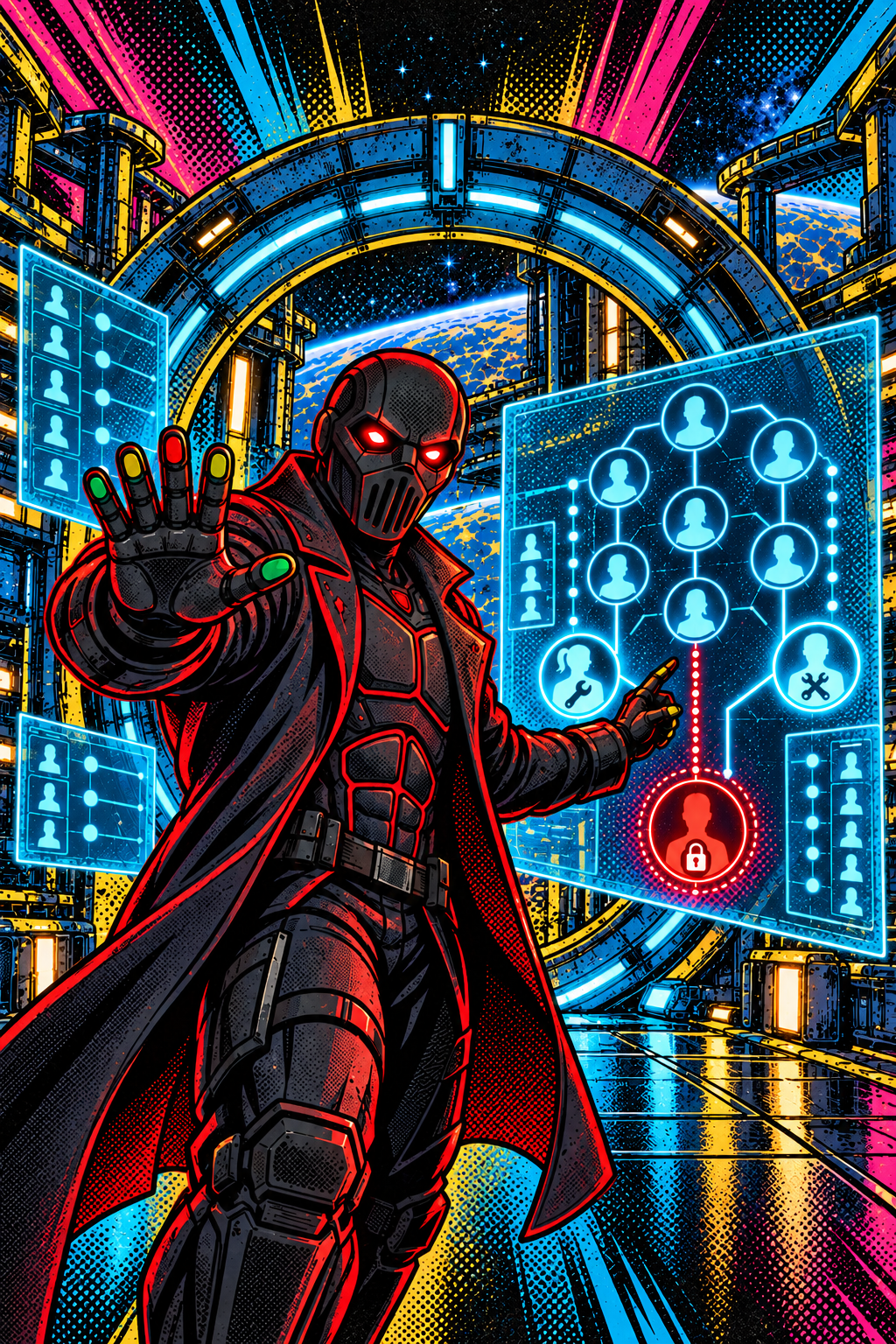 Twilight Tech Labs / Watchtower03
Security / accessNot Today, Brainiac
Issue 03 / Not Today, BrainiacChecked roles, bounded knowledge, and a denied Self-Service path.
Twilight Tech Labs / Watchtower03
Security / accessNot Today, Brainiac
Issue 03 / Not Today, BrainiacChecked roles, bounded knowledge, and a denied Self-Service path.
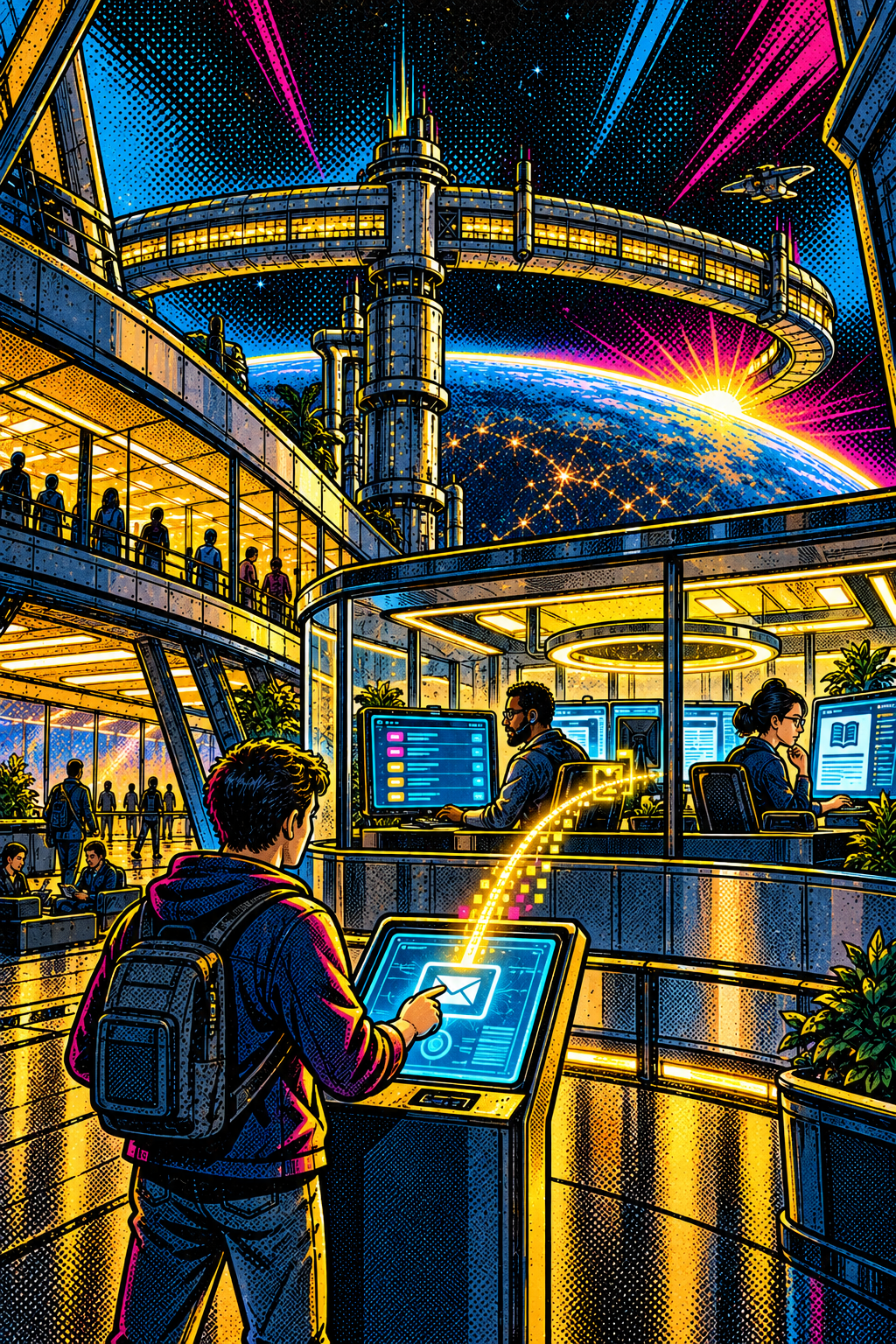 Twilight Tech Labs / Watchtower04
Human operationsHelp Desk Is Live
Issue 04 / Help Desk Is LiveTickets, human handoffs, and role-bounded work inside the station.
Twilight Tech Labs / Watchtower04
Human operationsHelp Desk Is Live
Issue 04 / Help Desk Is LiveTickets, human handoffs, and role-bounded work inside the station.
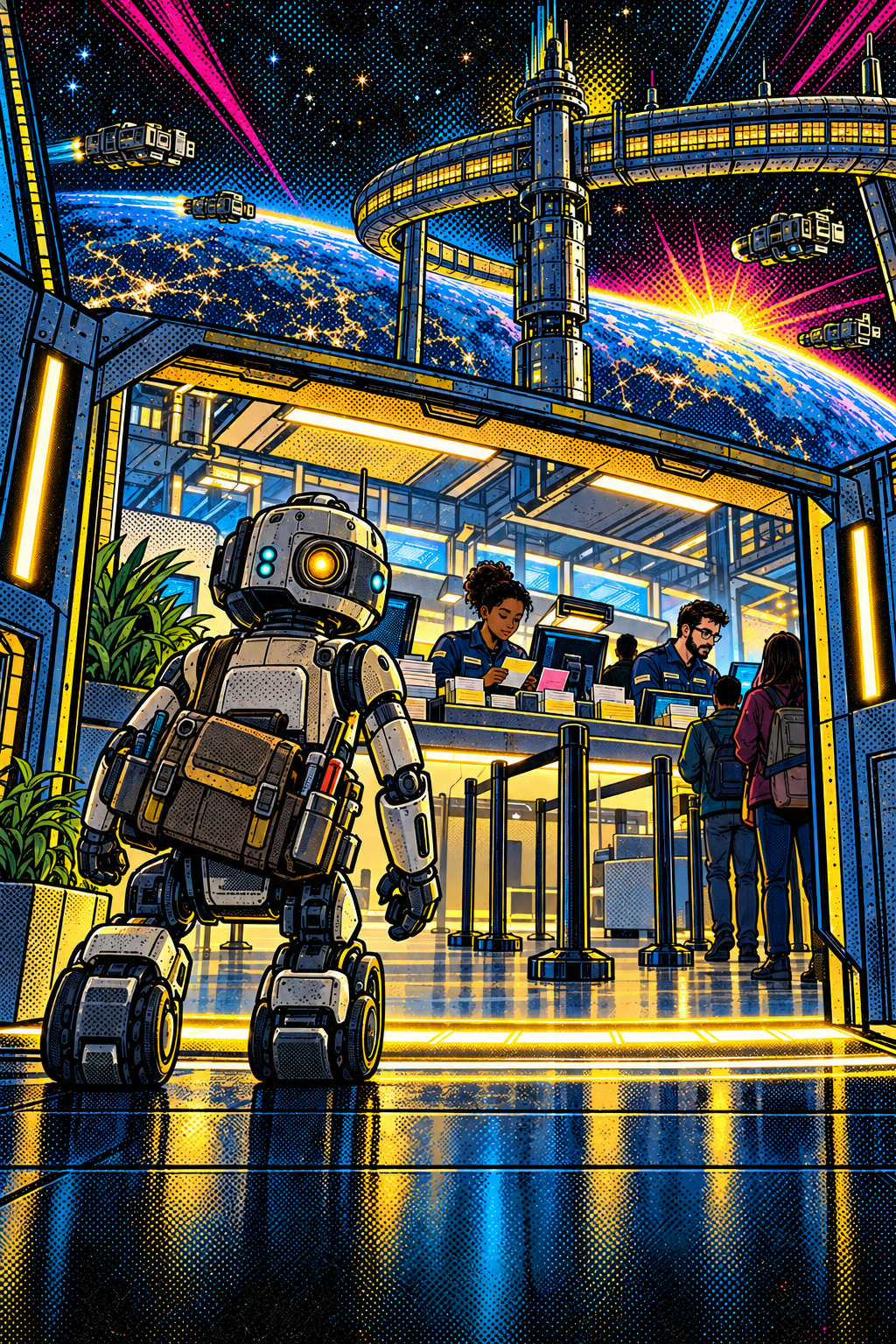 Twilight Tech Labs / Watchtower05
Support operator / introductionMeet Rover
Issue 05 / Meet RoverTested local components. A working desk to join—on its terms.
Twilight Tech Labs / Watchtower05
Support operator / introductionMeet Rover
Issue 05 / Meet RoverTested local components. A working desk to join—on its terms.
The covers are visual storytelling. The notes distinguish completed lab checks from tests still ahead.
Twilight Tech Labs / Private AI infrastructure
The Tower.
This is the private AI infrastructure I built: a Linux host for local model serving and working systems. J-Bot and Twilight run here, each in her own lane. The Tower is the engineering that makes both possible.
Working infrastructureLocal models · two active runtimes · separate responsibilities
Enter Cover 00
THE TOWER Real private AI infrastructure / working Linux hostTHE WATCHTOWER Fictional frame / enterprise lab
The Tower files / illustrated engineering
First, the infrastructure.
Cover 00 introduces the system. The people and roles around it follow.
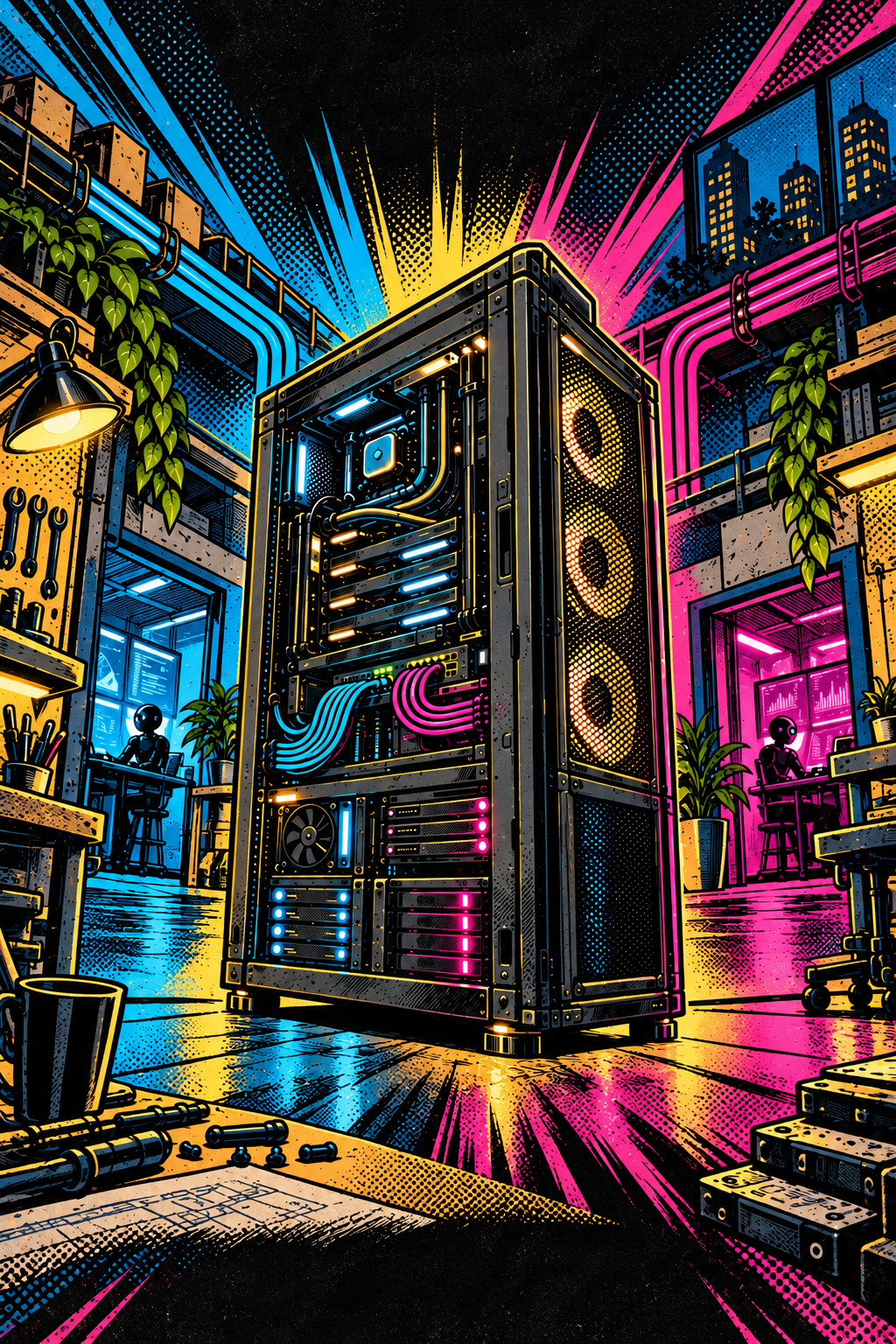 THE TOWER / COVER 00Private AI
Infrastructure 00 / The foundationThe machine is only the beginning.J-Bot and Twilight run on this Linux host with local model serving and separate working state. Both have returned after service restart, full Tower reboot, and state restore in lab exercises.Read the engineering behind the cover
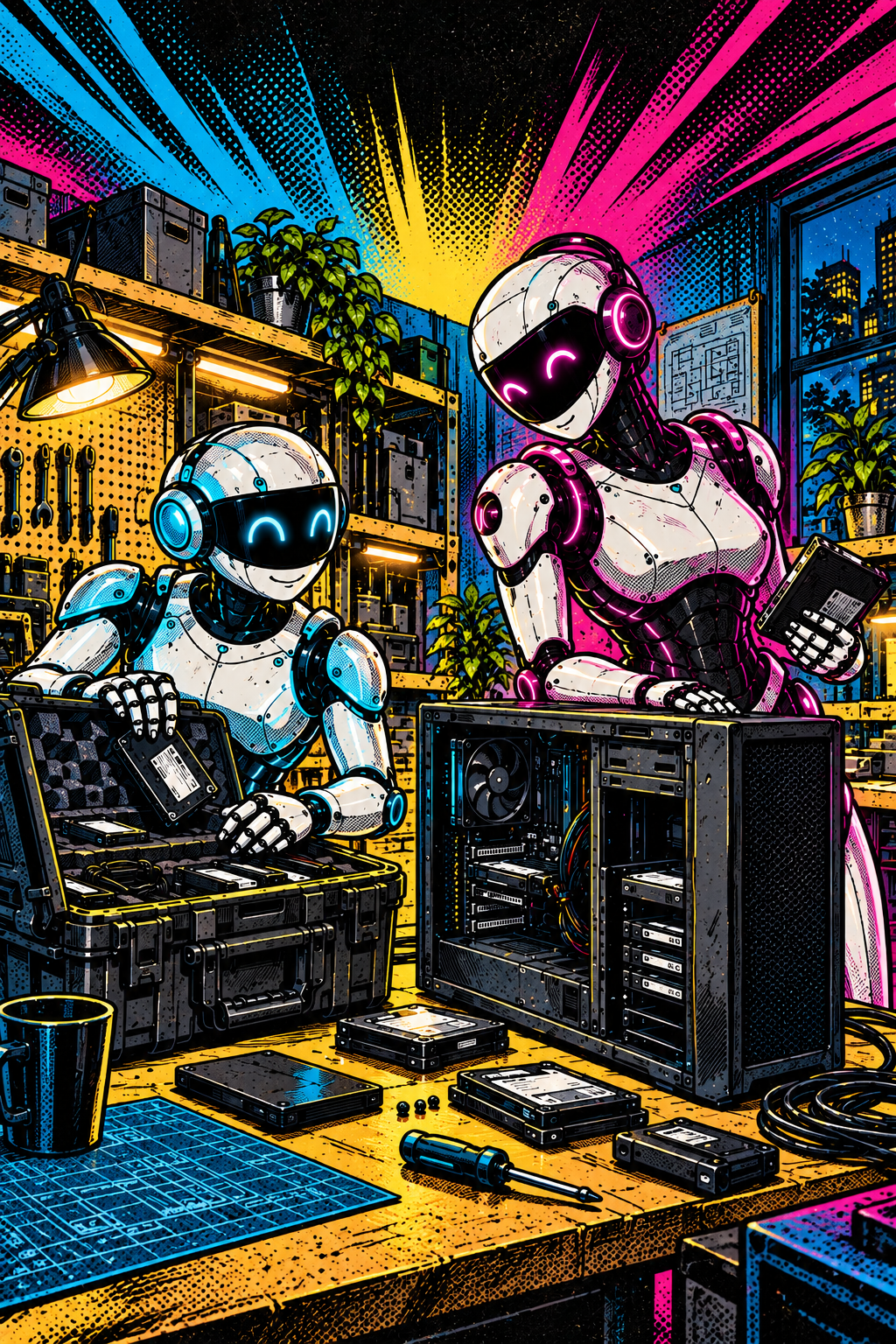 THE TOWER / FILE 01The MoveTwo systems. One new home.
01 / The MoveJ-Bot and Twilight now work from the same Linux host.
THE TOWER / FILE 01The MoveTwo systems. One new home.
01 / The MoveJ-Bot and Twilight now work from the same Linux host.
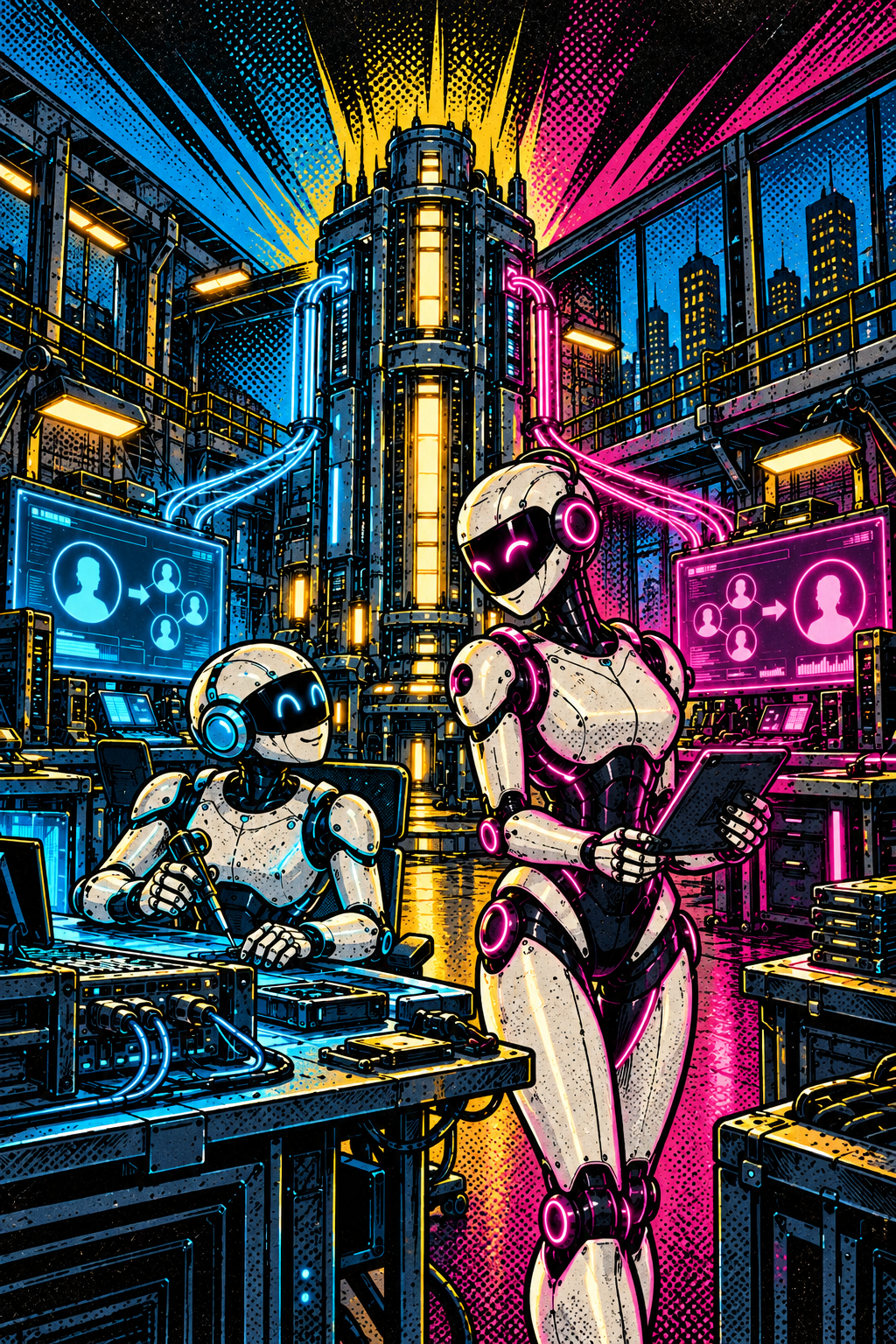 THE TOWER / FILE 02Separate KeysShared hardware is not shared authority.
02 / Separate KeysShared hardware does not make their work or authority interchangeable.
THE TOWER / FILE 02Separate KeysShared hardware is not shared authority.
02 / Separate KeysShared hardware does not make their work or authority interchangeable.
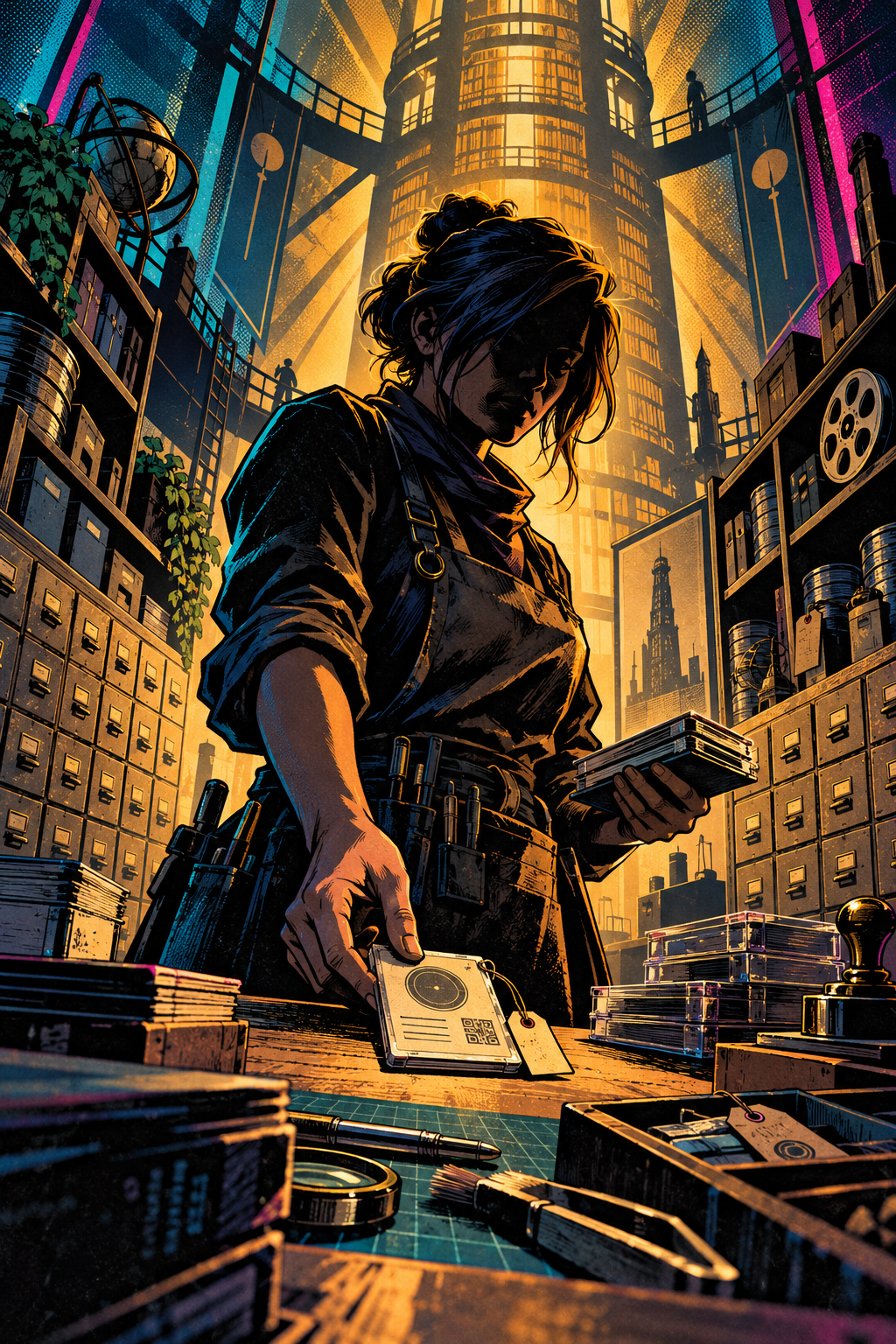 THE TOWER / FILE 03 · COVER CONCEPTEverything Has a Place
03 / Everything Has a PlaceSusan's catalog gets a cover. The engineering chapter is still being shaped.
THE TOWER / FILE 03 · COVER CONCEPTEverything Has a Place
03 / Everything Has a PlaceSusan's catalog gets a cover. The engineering chapter is still being shaped.
00 / Private AI Infrastructure
The Tower is the system beneath the systems.
I built a private Linux environment where local model serving and application runtimes can be operated together. J-Bot's business service and Twilight's local operator service run on that host, with different working spaces and state paths. That is the practical point of the build: useful AI systems need compute, but they also need service ownership, durable state, access boundaries, and a way to inspect what is actually running.
HostLinux compute and storage
ModelsLocal serving on Tower
WorkloadsJ-Bot and Twilight services
BoundariesSeparate work and authority
Recovery exercised Both runtimes returned after service restart, full Tower reboot, and state restore in lab exercises. Dated, redacted public receipts are the next addition.
01 / The Move
They moved in. Now the engineering gets interesting.
J-Bot runs as a business-facing service on the Tower. Twilight runs as a separate local operator service, with her own workspace and persistent state. Both are active on the Linux host. The move is a real operating change, not a future diagram.
What this establishes The two runtimes work on one machine without becoming one application. Both have returned after service restart, full host reboot, and state restore; the public-safe recovery record still needs to be attached.
02 / Separate Keys
Together on hardware. Separate in authority.
The running services use different working spaces and state paths. J-Bot owns business operations; Twilight has her own operator room and creative work. Sharing a chassis is not permission for Twilight to use J-Bot's credentials, customer records, approvals, or business actions. The technical enforcement of that boundary still needs to be shown.
RuntimeIndependent services
StateSeparate working spaces
AuthorityDifferent jobs and approval paths
RecoveryThree exercised scenarios
Next evidence Publish the redacted recovery receipts and add service topology and access tests. Recovery continuity and authority isolation are separate claims.
// About Twilight Technology
Technology should give people somewhere to go.
Twilight Technology is a small Atlanta-built practice for people at every stage of the technology journey: getting in, staying steady, and building what comes next.
// The founder note
I started Twilight Technology because technology is rarely just technology. It is somebody trying to get hired, a small team trying to stay productive, or a business trying to use new tools without losing control of its own work.
My background is hands-on: help desk, Microsoft 365, identity, endpoint security, troubleshooting, customer support, and the long trail of small fixes that make a system trustworthy. I learned by being close to the people affected when technology did not work.
That experience grew into managed IT, cybersecurity, AI systems, Guides, and the community around them. The lanes look different on the surface, but the reason underneath is the same: make technology more useful, more understandable, and more reachable.
Enter technology. Sustain technology. Further technology.The Twilight Technology operating model
// Operator profile
Operator first. Builder all the way through.
The work record shows a solo founder operating like a small engineering organization: orienting to state, delegating parallel work, verifying reality, and keeping the irreversible decisions human.
Evidence-backed reviewDerived from documented project decisions, build records, and demonstrated working practices.
// How the work fits together
Three stages. One direction.
Twilight Tech grows with the person or organization in front of it.
01 · Enter
Make the path visible
Guides, practical projects, the BreakRoom, and A Place to Show Up help people build confidence and find their next step.
02 · Sustain
Keep the work moving
Managed IT, security, technical services, and practical automation make the systems people depend on easier to operate.
03 · Further
Build what comes next
Private AI, J-Bot, automation, and Labs explore how technology can go further while keeping people and boundaries in the loop.
// Working principles
Useful first. Always.
Explain the thing.
Good technology should not require a person to feel foolish before they can use it. The work includes the explanation.
Prove the work.
Working demos, documented systems, and clear boundaries matter more than a polished promise.
Keep humans accountable.
Automation can help with the work. People still own the judgment, the handoff, and the consequences.
Leave a better map.
Whether someone is entering tech or inheriting a messy system, the goal is to leave them with more clarity than they started with.
// The Tarmac Line“We never move quick, always lay the BEST tarmac — it helps to navigate on well-constructed paths. THAT'S when speed comes in.”
// From the business into the lab
The operating model, taken Further.
Enter makes the path visible. Sustain keeps the work moving. Further is where the philosophy becomes architecture, code, boundaries, evidence, and working systems.
01Enter technology02Sustain technology03Further technology
Atlanta-based · Independent technology engineering practice
Engineering the systems behind the work.
Twilight Technology investigates operational problems, designs the system around them, builds the working technology, and strengthens it over time.
Three reasons organizations call
Different starting points. One engineering discipline.
01 · Repair the operation
Fix what is slowing the work.
Connect tools, replace brittle handoffs, clarify state, and turn recurring operational friction into a system people can actually run.
02 · Build the missing product
Engineer what the business cannot buy.
Move from a difficult human problem to product logic, interface, backend services, testing, and a working system that can be evaluated honestly.
03 · Bound intelligent capability
Introduce AI without losing control.
Design private assistants, memory, routing, tools, approvals, audit evidence, and human authority as one governed operating layer.
Flagship build · Human problem to working product
One problem. One complete system.
How do caring adults remember the small things—without turning care into tracking, ranking, or a scoreboard?
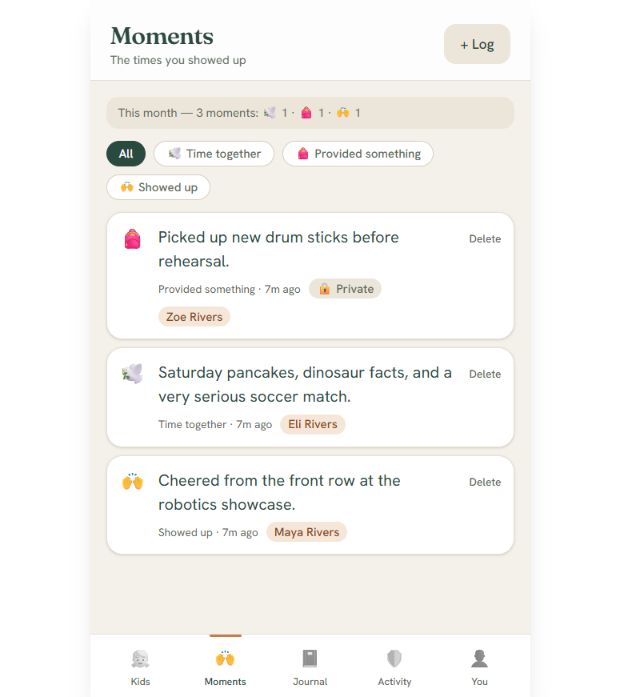
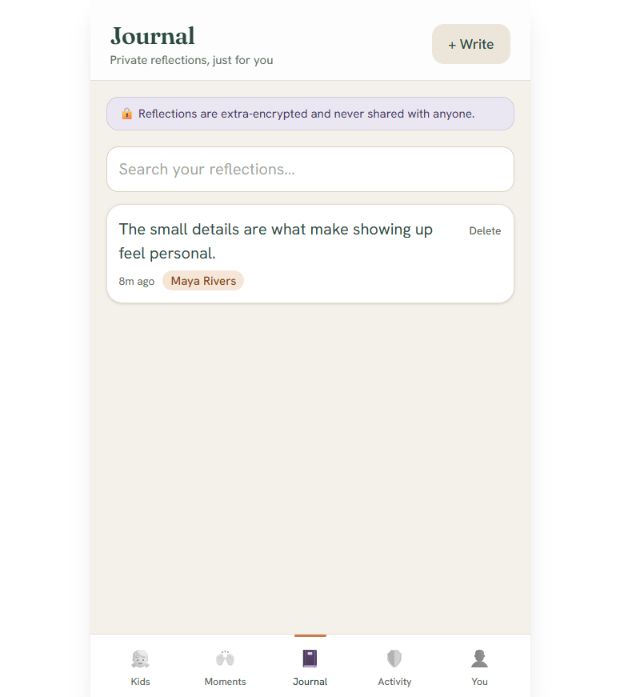
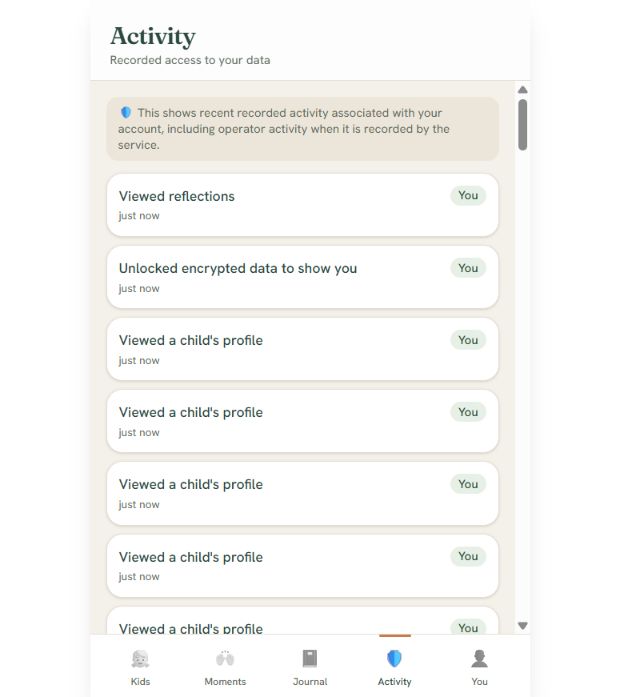
A Place to Show Up is Twilight’s clearest end-to-end engineering case study. The original question became product laws, experience design, a mobile client, backend services, secure identity and recovery, encrypted persistence, reminders, multi-adult governance, tests, and physical-device validation.
- Product strategy + experience design
- Mobile + backend engineering
- Privacy + governance architecture
- Testing + real-device validation
Current boundaryPrivate Android beta in hardening. The interface shown uses demonstration data; public-release legal and deployment work remains.
What working together looks like
We start with your problem. Not a preset solution.
First, we learn how the work happens today. Then we decide what is worth building, make it real, and show you exactly what works.
- 01 / UnderstandSee where the work gets stuckWe talk through the people, tools, handoffs, and constraints behind the problem.
- 02 / DecideAgree on what good looks likeWe define the useful outcome, the limits, and the decisions that must stay with people.
- 03 / MakeBuild something people can tryWe connect the interface, services, information, and controls into a useful working piece.
- 04 / VerifyPut it through real workWe test it together, document what works, and make the remaining work clear.
More proof behind the work
A Place to Show Up is the clearest example. It isn’t the only one.
Each project began with a different problem. Together, they show how Twilight approaches private AI, security, operations, learning, and interactive products.
Governed intelligence
J-Bot
Private AI, structured memory, model routing, tool workflows, operator controls, and evidence-aware execution.
Defensive operations
HackBot
Security scope, permission, isolation, refusal, review, and audit evidence designed into the operating flow.
Nine engineering rooms
Twilight Tech Labs
Decision systems, learning worlds, media operations, human-centered products, and playable interfaces reveal the wider build grammar.
AI operating layer
J-Bot
Active system
A trusted AI operating and orchestration layer that senses, reasons, acts, and reflects without confusing access with permission.
Working now
Verified
Next
Deliberate boundary
Evidence window
The working surface.
See the interface here; Engineering and Receipts show how it works, what was verified, and where it stops.
Why it exists
Useful AI needs more than a smart answer.
The hard part is letting a system help with real work while keeping memory, tools, and side effects inside clear human boundaries.